
The Skin Barrier
The Foundation of Healthy, Glowing Skin

Environmental stress can weaken the skin barrier and lead to dryness and sensitivity
We often talk about hydration, collagen, pigmentation, fine lines and skin rejuvenation when discussing healthy, youthful-looking skin. However, underneath all of these concerns is something even more fundamental: the skin barrier.
Your skin barrier is your skin's first line of defence. It helps protect against environmental stress, prevents excessive water loss and plays an important role in keeping the skin hydrated, comfortable and resilient. When the skin barrier is healthy, skin tends to look smoother, calmer and more radiant. When it is compromised, skin can become dry, tight, sensitive, rough, flaky or more prone to irritation.
At the Aesthetic Doctors Clinic in Dunshaughlin, County Meath, we believe that healthy skin should always be the starting point for aesthetic treatment.
What is the skin barrier?
The skin barrier is the outermost protective layer of the skin, primarily formed by the outer layer of the epidermis. It is sometimes described as a "brick and mortar" structure. Skin cells form the bricks, while naturally occurring lipids, including ceramides, cholesterol and fatty acids, help form the mortar between them.
This structure performs several important functions.
It keeps moisture in: One of the most important roles of the skin barrier is helping to prevent excessive water loss from the skin. When the barrier is functioning well, the skin is better able to retain moisture. When it becomes disrupted, water can be lost more easily, leaving the skin feeling dry, tight or uncomfortable.
It protects your skin: Your skin is exposed to the outside world every day. UV radiation, pollution, wind, cold weather, changes in temperature and numerous substances can all place stress on the skin. A healthy skin barrier provides an important protective layer between your body and the external environment.
It supports healthy-looking skin: A well-functioning barrier contributes to skin that feels comfortable, hydrated and resilient. A compromised barrier can make skin appear dull, rough or irritated and may make previously tolerated skincare products suddenly feel uncomfortable. This is why skin health comes before skin correction.
What can damage the skin barrier?
There are many potential causes of skin barrier disruption.
These can include:
Over-cleansing
Very hot water
Harsh or fragranced skincare products
Excessive exfoliation
Overuse of active ingredients
Excessive sun exposure
Cold or dry weather
Environmental pollution
Stress
Poor sleep
Smoking
Inadequate nutrition
Sometimes it is not one particular product that causes a problem. It can be the cumulative effect of doing too much to your skin. This is particularly important when using active skincare ingredients or undergoing aesthetic treatments. Active ingredients and professional treatments can be extremely beneficial when appropriately selected, but the skin needs to be assessed and treated according to its individual needs.
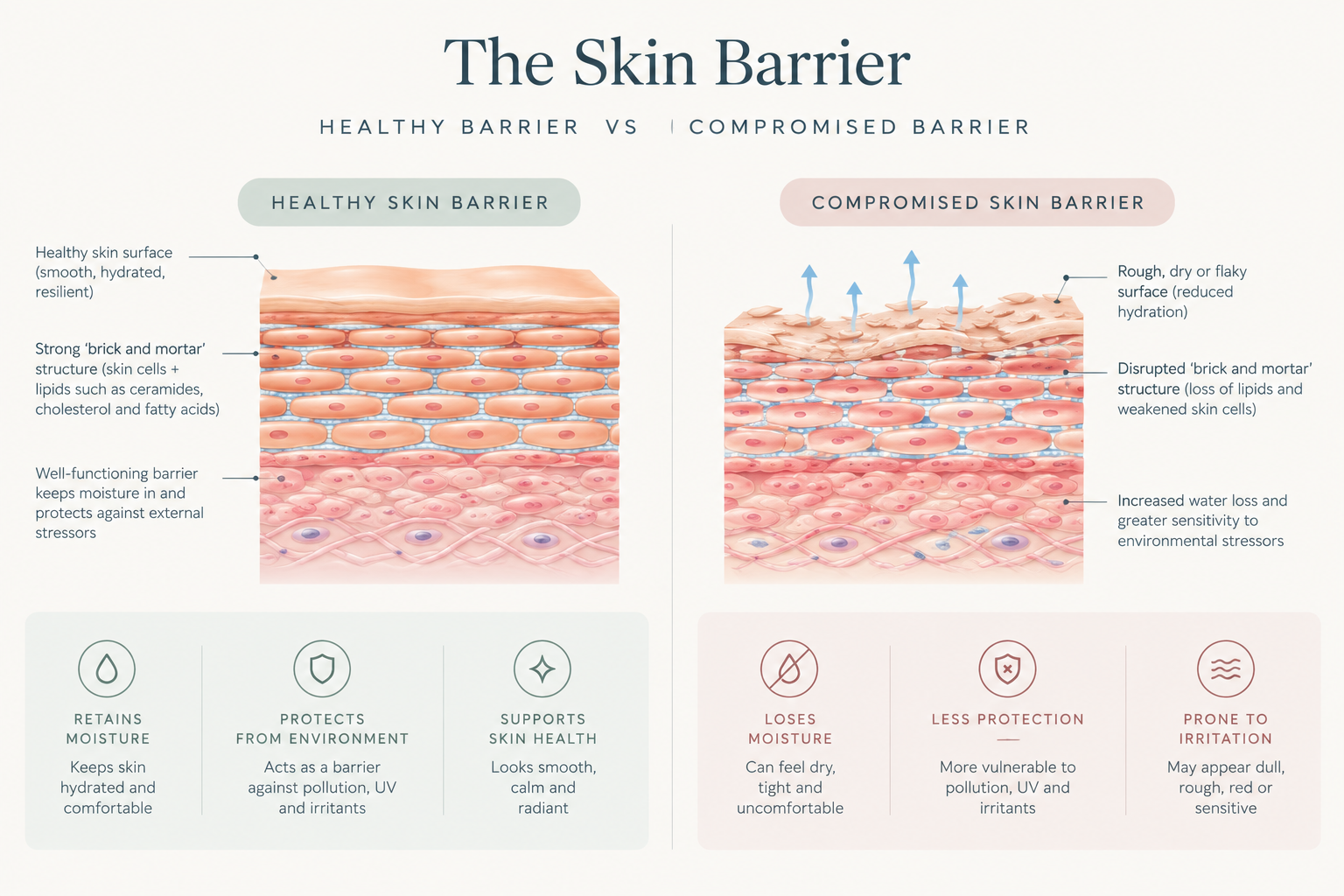
The Skin Barrier- healthy versus unhealthy or compromised
How can you support your skin barrier?
Healthy skin does not come from one product or one treatment. It comes from looking at the skin as part of your overall health and lifestyle.
Nutrition and diet: Your skin needs the right nutritional building blocks to function normally. A varied, balanced diet containing adequate protein, fruit, vegetables, healthy fats, vitamins and minerals supports normal skin health. There is also increasing interest in the relationship between nutrition, inflammation and skin health. Supplements should not replace a balanced diet, and there is no single "skin supplement" that can substitute for good nutrition.
Hydration: Adequate fluid intake is important for your overall health and contributes to normal skin function. However, drinking large amounts of water is not a replacement for supporting the skin barrier itself. A healthy barrier helps prevent excessive water loss, while appropriate moisturisation helps support the skin's ability to retain hydration.
Sleep: Sleep is often overlooked when we talk about skincare. Our bodies undertake important recovery and repair processes during sleep, and prolonged stress and inadequate sleep can affect the way we look and feel. Looking after your skin therefore starts with looking after yourself.
Exercise: Regular exercise supports general health and wellbeing and contributes to healthy circulation. While exercise is not a treatment for a particular skin condition, it is an important part of a healthy lifestyle. Healthy skin is not just about what you put on your face. It is also about how you look after your body.
Your everyday skincare routine: A good skincare routine does not need to be complicated. For many people, the foundations are simple: cleanse, moisturise and protect.
Gentle cleansing: Cleansing removes makeup, sunscreen, excess oil and environmental debris. However, your cleanser should not leave your skin feeling stripped, tight or uncomfortable. A gentle cleanser appropriate to your skin type can help keep the skin clean without unnecessarily disrupting the barrier.
Moisturisation: Moisturising helps support hydration and reduce water loss. Depending on your individual skin, useful ingredients may include ceramides, glycerin, Hyaluronic acid, Niacinamide and other moisturising and barrier-supporting ingredients. The most expensive moisturiser is not necessarily the best moisturiser.
The right product is one that suits your skin and that you can use consistently.
Sun protection: Daily sun protection is one of the most important steps in maintaining healthy-looking skin. UV exposure contributes to premature skin ageing and can affect collagen, pigmentation, texture and overall skin quality. A broad-spectrum SPF should therefore be an important part of your everyday skincare routine.
What about active ingredients?
Modern skincare contains an impressive range of active ingredients that can target specific skin concerns. These include:
Retinoids and retinol
Vitamin C
Niacinamide
Alpha hydroxy acids
Beta hydroxy acids
Azelaic acid
Peptides
Hyaluronic acid
These ingredients can have an important role in a well-designed skincare routine. But more is not necessarily better. Using multiple strong ingredients, exfoliating too frequently or introducing several new products at the same time can cause irritation and compromise the skin barrier. The aim is not to use every active ingredient available. The aim is to identify which ingredients your skin actually needs, how frequently you should use them and what fits into your overall skincare routine.
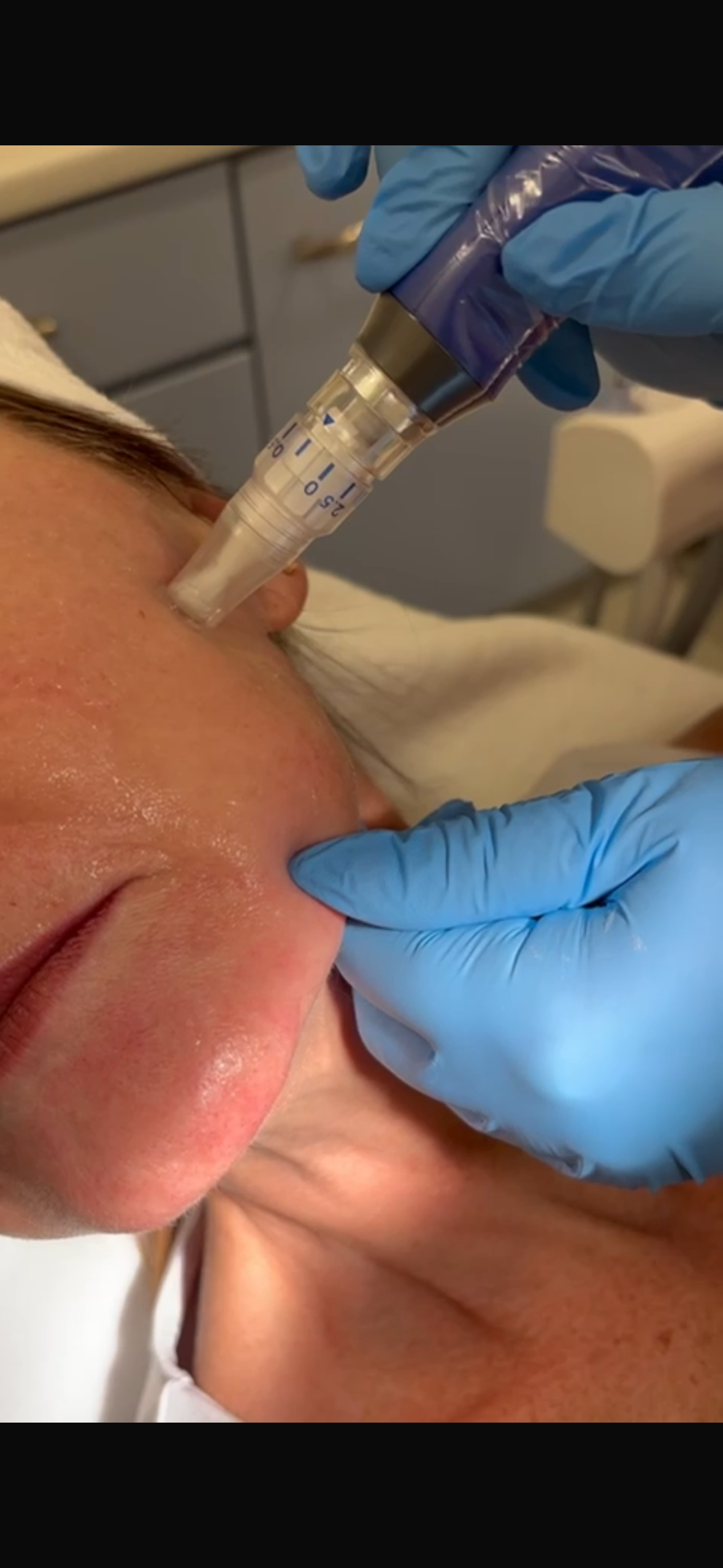
Microneedling safely stimulates collagen and restores skin texture and tone
Can aesthetic treatments improve skin quality?
Yes – but the treatment should be selected according to the skin. Medical aesthetic treatments can complement a good skincare routine by stimulating skin renewal, improving hydration or encouraging collagen production and skin remodelling. Depending on your individual needs, treatments may include:
Medical microneedling
SkinPen®
Skin boosters
Polynucleotides
Chemical peels
Other collagen-stimulating and regenerative treatments
The objective is not simply to treat a wrinkle or a particular imperfection. It is about improving overall skin quality.
SkinPen® Microneedling – stimulating your skin's natural collagen
One of the treatments we particularly value at Aesthetic Doctors Clinic is SkinPen® microneedling. Microneedling uses very fine needles to create controlled microchannels in the skin. This stimulates the skin's natural healing response and encourages collagen remodelling. Over time, this can help improve the appearance of skin texture, fine lines and certain types of scarring.
Our SkinPen® Microneedling treatment is designed to stimulate collagen and improve scarring, texture and overall skin quality. SkinPen® can also help minimise the appearance of pores and improve skin tone and firmness. One of the attractions of microneedling is that it works with the skin's own regenerative processes. Rather than simply putting something into the skin, microneedling creates a controlled stimulus that encourages the skin to remodel itself. This makes it an interesting option for people concerned about:
Fine lines
Uneven skin texture
Acne scarring
Enlarged-looking pores
Loss of firmness
Dull or tired-looking skin
Overall skin quality
The response is gradual. Collagen production and remodelling take time, so microneedling is generally considered a course-based treatment rather than an instant fix. At Aesthetic Doctors Clinic, a course of treatments may be recommended depending on your individual skin goals, followed by maintenance treatment where appropriate.
Skin boosters and regenerative treatments: Microneedling is not the only option for improving skin quality. Our Skin Boosters are designed to improve hydration, texture, radiance, elasticity and firmness without adding the structural volume associated with traditional dermal fillers.
Polynucleotides are another regenerative treatment option. They are used as part of a skin-rejuvenation approach focused on hydration, skin quality and supporting the skin's natural regenerative processes. You can read more about our approach to Polynucleotide Treatments.
Chemical peels can also be useful for selected patients where the main concerns include dullness, pigmentation, acne or uneven texture. Our Chemical Peel treatments are tailored according to individual skin needs.
The important point is that these treatments are not interchangeable.
Your skin may need hydration.
It may need collagen stimulation.
It may need help with pigmentation.
It may need a simpler skincare routine.
Or it may benefit from a combination approach.
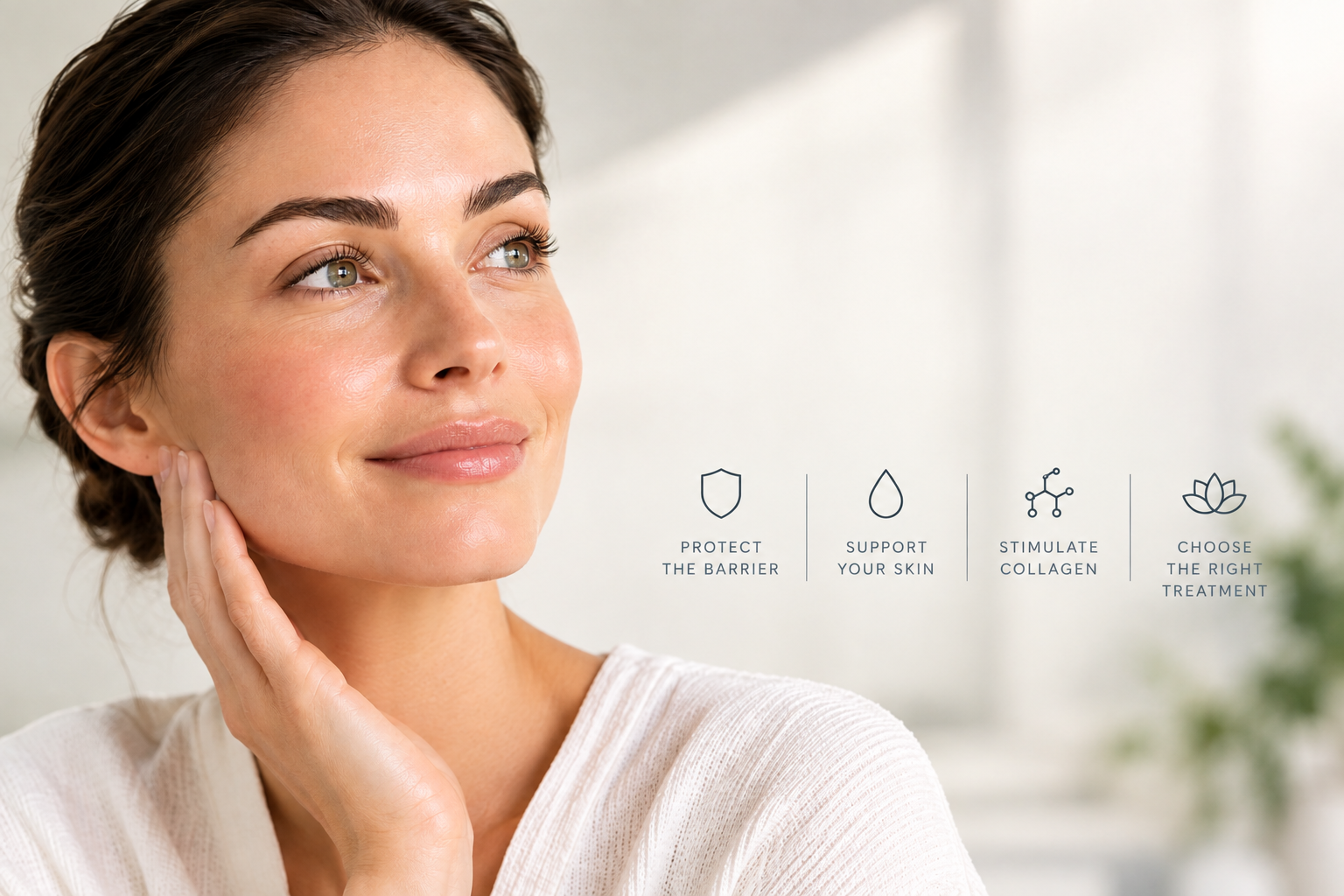
Healthy skin first, treatment second
At Aesthetic Doctors Clinic, we don't believe that every skin concern needs an immediate procedure.
Sometimes the best first step is simply to improve your skincare routine.
Sometimes the skin barrier needs time to recover.
Sometimes an active ingredient needs to be introduced more gradually.
And sometimes a treatment such as SkinPen® microneedling may be an appropriate way to stimulate collagen and improve overall skin quality. The treatment should follow the assessment – not the other way around.
Your skin is unique
There is no single skincare routine or aesthetic treatment that is right for everyone. Your age, skin type, skin condition, lifestyle, current skincare products and aesthetic goals all need to be considered.
At Aesthetic Doctors Clinic, we take the time to assess your skin and understand what you want to achieve. Our approach is based on personalised treatment plans tailored to your goals, skin type and individual needs.
We can discuss:
Your skin barrier
Hydration
Skin texture
Pigmentation
Fine lines
Collagen loss
Acne scarring
Your current skincare routine
Previous aesthetic treatments
Your individual goals
We can then advise you on the most appropriate approach – whether that means improving your home skincare, introducing active ingredients, considering SkinPen® microneedling or discussing another medical aesthetic treatment.
Ready to look after your skin from the inside out?
Healthy skin is a long-term process.
Protect the barrier.
Support your skin.
Stimulate collagen.
Choose treatments based on what your skin actually needs.
At Aesthetic Doctors Clinic in Dunshaughlin, County Meath, we offer personalised, dentist-led medical aesthetic consultations and treatments designed to support healthy, natural-looking skin. New patients require a consultation so we can assess your skin, understand your concerns, and develop a personalised treatment plan.
Refresh. Rejuvenate. Restore.
Book your consultation at Aesthetic Doctors Clinic and let us assess your skin and help you decide which approach may be most suitable for you.