
Understanding Pigmentation
A Science-Led, Regenerative Approach to Clearer Skin
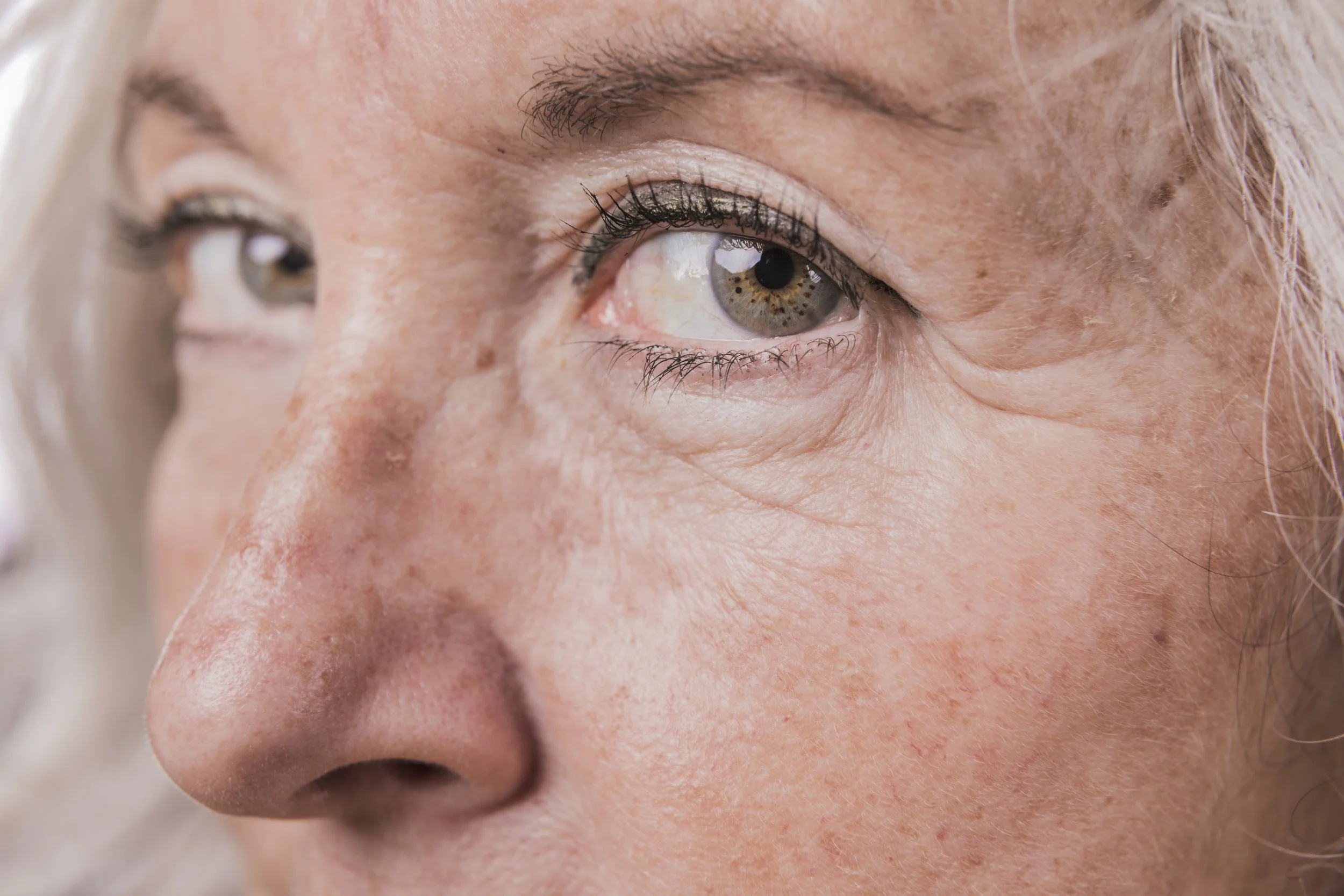
Natural skin pigmentation differences visible across the face
Whether it appears as sun spots after a summer holiday, stubborn patches after pregnancy, or dark marks left behind by acne, hyperpigmentation is one of the most common skin concerns we treat.
In an industry driven by "quick-fix" miracle creams and aggressive laser promises, treating pigmentation can feel confusing and frustrating. Often, harsh treatments provide temporary fading only for dark spots to return—frequently darker than before.
At our clinic, we advocate an education-first, regenerative approach to aesthetics. Rather than chasing temporary cosmetic covers, true skin transformation requires understanding what happens at a cellular level and adopting a sustainable, three-tiered strategy: Lifestyle, Targeted Skincare, and Regenerative Treatments.
What Actually Causes Pigmentation?
To manage pigmentation effectively, we must first understand its biological mechanism.
Pigmentation is caused by an overproduction of melanin—the natural pigment that gives skin, hair, and eyes their colour. Melanin is produced by specialised skin cells called melanocytes. Under normal conditions, melanocytes distribute pigment evenly to protect cells from structural damage.
However, when melanocytes become overstimulated or stressed, they overproduce melanin, leading to localised dark spots or an uneven tone.
Primary Triggers Include:
UV Exposure (Photodamage): Sunlight is the single primary trigger. UV rays induce oxidative stress, signalling melanocytes to overproduce melanin as a protective defence mechanism. Over time, this yields age spots, freckles, and general unevenness.
Post-Inflammatory Hyperpigmentation (PIH): Any physical skin trauma—acne breakouts, eczema, scratches, or overly harsh cosmetic procedures—triggers an inflammatory cascade. This activates melanocytes, leaving persistent dark marks long after the original injury heals.
Hormonal Fluctuations (Melasma): Shifts in oestrogen and progesterone (during pregnancy, with oral contraceptives, or during hormonal shifts) over-sensitize melanocytes to light and heat. This produces symmetrical, patchy pigmentation across the forehead, cheeks, and upper lip.
Why "Quick Fixes" Can Backfire
One of the most common mistakes in modern skincare is treating hyperpigmentation with excessive force. Deep chemical peels or intense ablative lasers cause acute trauma and inflammation.
If your melanocytes are already prone to overactivity, sudden physical trauma triggers severe rebound hyperpigmentation.
A science-led approach focuses on calming and regulating the cell before attempting to lift pigment. The objective is to repair, strengthen, and optimize the skin’s baseline function rather than subjecting it to unnecessary stress.
The 3-Pillar Strategy for Pigmentation Management
Treating pigmentation requires a comprehensive strategy that addresses the root cause, regulates pigment production and restores long-term cellular health.
1. Lifestyle & Prevention (The Foundation)
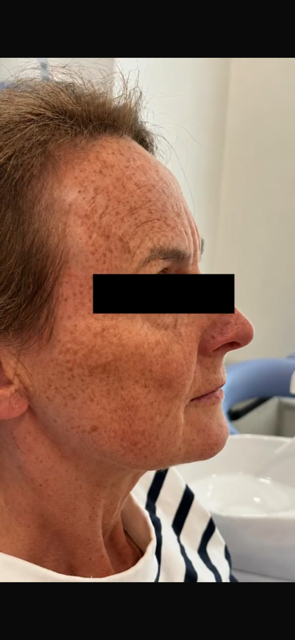
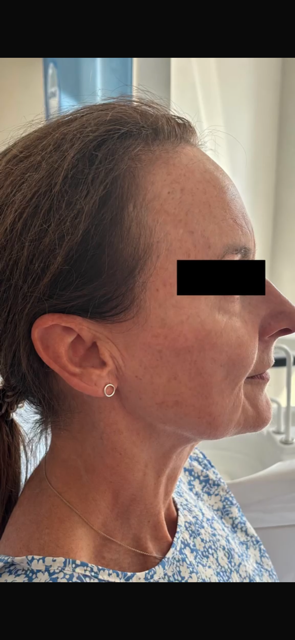
You cannot treat pigmentation without strict light and heat protection. Preventative care is non-negotiable:
Broad-Spectrum SPF 30–50 Daily: Apply high-grade, broad-spectrum sunscreen every morning, 365 days a year—even on overcast days and indoors near windows.
Manage Heat Exposure: For melasma, heat alone (saunas, hot yoga, intense cooking heat) can stimulate pigment production, even without direct UV rays.
Anti-Inflammatory Living: Prioritise barrier protection, restorative sleep, and antioxidant-rich nutrition to minimise internal oxidative stress.
2. Intelligent Topical Skincare (Pigment Regulation)
Preparing the skin with targeted topicals prior to in-clinic procedures is essential:
Tyrosinase Inhibitors: Ingredients like Vitamin C, Azelaic Acid, Kojic Acid, and Arbutin suppress tyrosinase—the key enzyme responsible for melanin synthesis.
Cellular Turnover Agents: Retinoids (Vitamin A derivatives) accelerate cell renewal, shedding pigmented cells from the upper epidermis while strengthening the underlying matrix.
Barrier Repair: Niacinamide (Vitamin B3) and ceramides calm inflammation, restore moisture balance, and prevent pigment transfer to surrounding cells.
3. Targeted Regenerative Treatments
Once the skin’s barrier is healthy and melanin production is stabilised, targeted clinical treatments safely accelerate results:
Medical Microneedling: Controlled micro-channels stimulate natural collagen production and tissue repair without generating heat trauma. This breaks up stagnant pigment deposits while improving cellular communication. (Note: Properly guided home-microneedling protocols can complement in-clinic care).
LED Light Therapy (Near-Infrared & Red Light): Non-invasive LED therapy reduces sub-surface inflammation, promotes cellular energy (ATP), and accelerates healing to calm reactive melanocytes.
Injectable Tissue Stimulators & Skin Boosters: Biostimulatory treatments improve overall skin architecture, hydration, and vascular health below the surface, allowing the skin to self-regulate and heal efficiently.
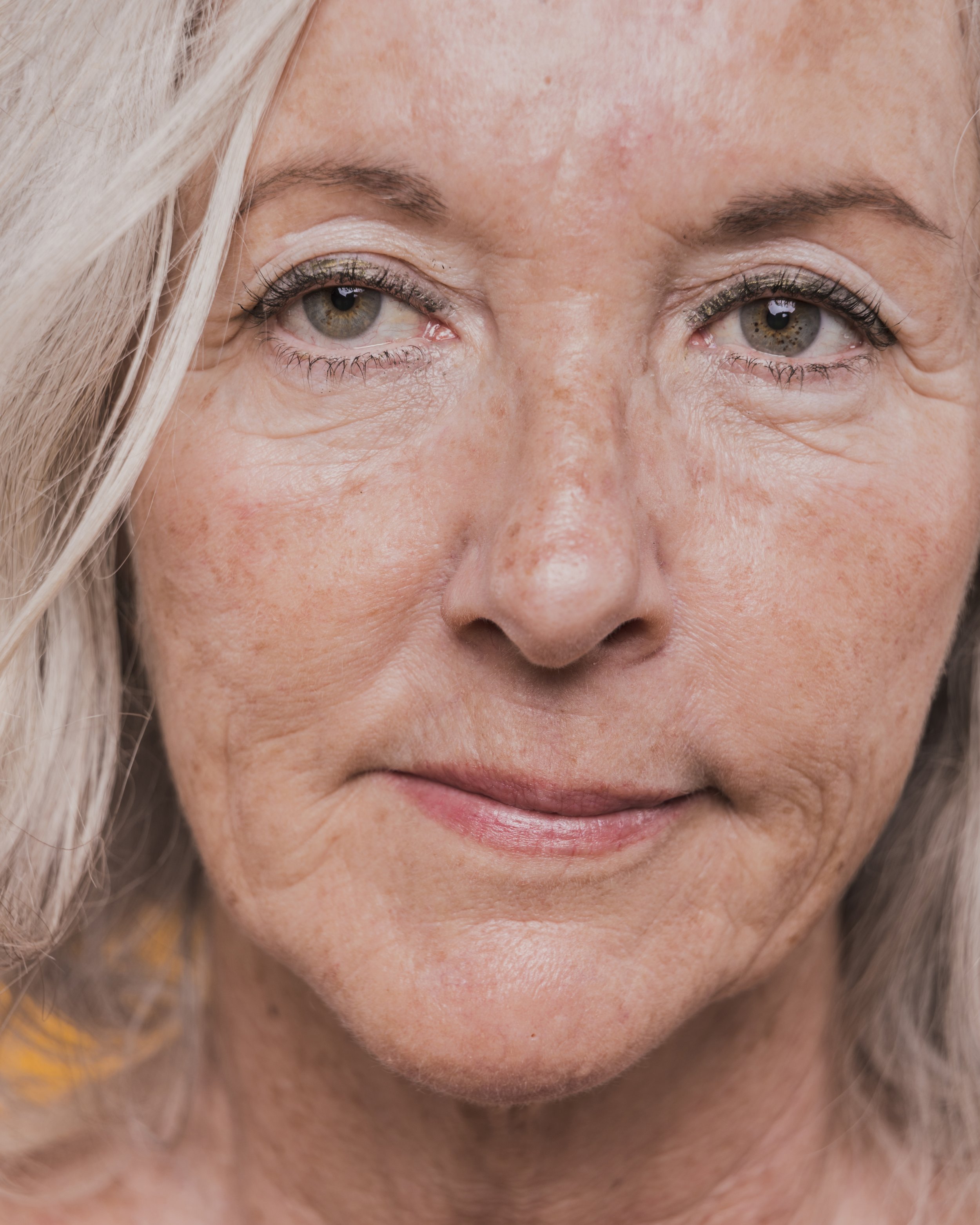
Pigmentation close up showing pigmentation and uneven skin tone
Long-Term Health Over Short-Term Hype
Managing pigmentation is a marathon, not a sprint. Lasting clarity comes from respecting your skin’s biological processes, avoiding marketing hype, and adopting evidence-based care tailored to your unique skin profile.
If you are struggling with sun spots, melasma or post-acne marks, start with the fundamentals: protect your barrier, regulate melanin production with active skincare, and utilise gentle, regenerative treatments that support long-term skin health.