
The Science of Photoprotection:
Why Daily Sunscreen is Non-Negotiable for Irish Skin
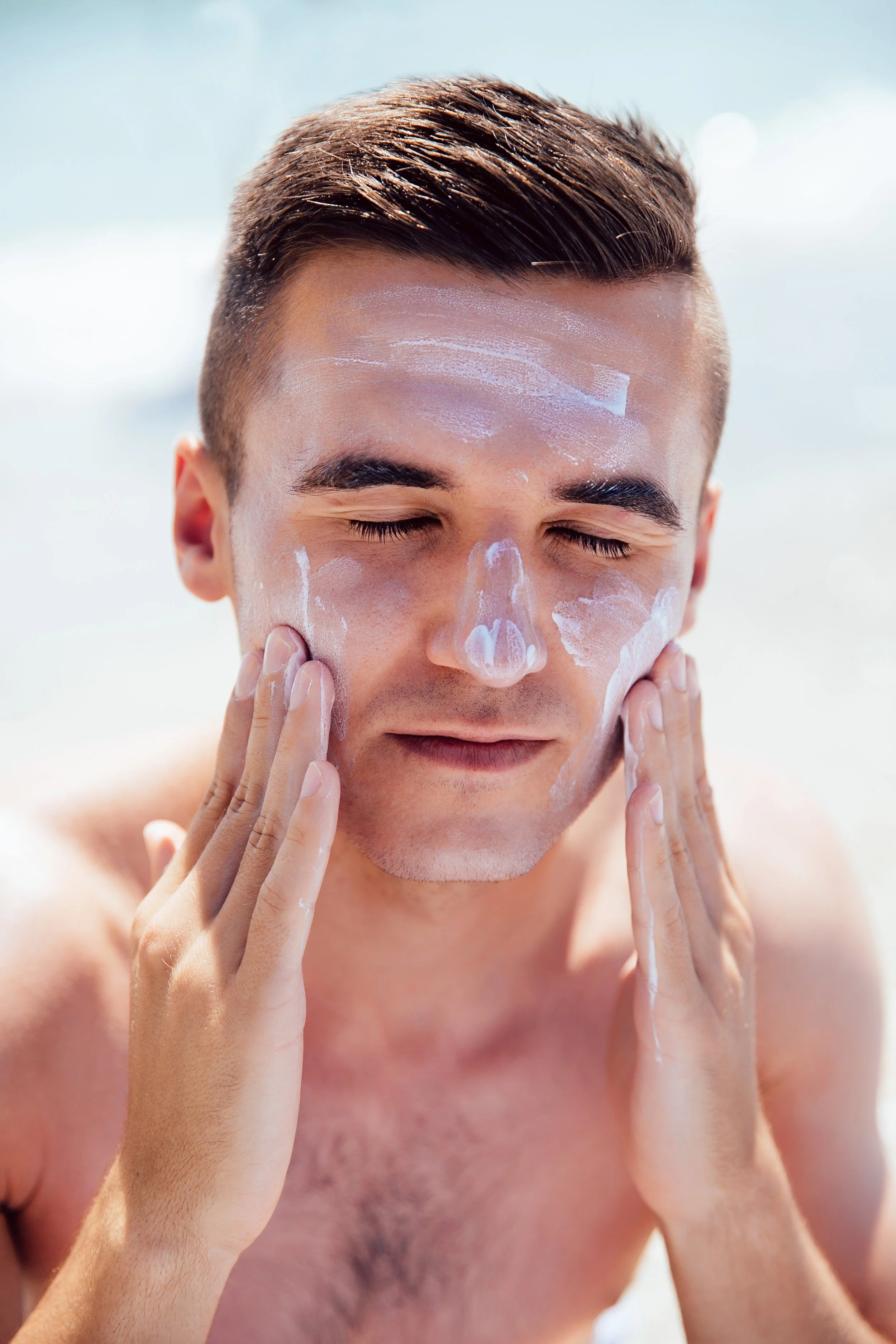
Daily application of sunscreen is crucial
As we embrace the brighter days and changing seasons in Ireland, our attention naturally shifts to protecting and preserving our skin health.
At the Aesthetic Doctors Clinic, our clinical approach is rooted in preventing damage at a cellular level. While advanced in-clinic interventions like chemical peels, polynucleotides, and microneedling work wonders to rejuvenate and repair the skin, there is one medical-grade topical step that serves as the ultimate foundation for all skin health: daily sunscreen.
Exposing the skin to the sun accelerates skin ageing and is responsible for up to 80% of the age changes that we see in the skin. These changes include dehydration, fine lines and wrinkles, thinning, pigmentation and skin cancers.
Many patients view sunscreen as a holiday luxury or something reserved only for rare, blistering summer days. However, clinical dermatology confirms that daily photoprotection is a year-round necessity—especially in the Irish climate.
Sunscreen vs. Sunblock: Understanding the Science
While the terms are often used interchangeably in casual conversation, they scientifically refer to two distinct mechanisms of action:
Chemical Sunscreens: These formulas contain organic compounds (such as avobenzone or octisalate) that penetrate the skin. They absorb harmful UV radiation, convert it into heat, and release it from the body.
Physical Sunblocks (Mineral): These form a physical barrier on top of the skin. Utilizing mineral ingredients, they reflect and scatter UV rays away from the skin surface before they can penetrate.
For facial skin, particularly if you are undergoing active clinic treatments, mineral-based formulations are highly recommended due to their gentle, highly stable nature.
What Does Sunscreen Actually Do?
To understand its purpose, we must look at the two primary types of ultraviolet radiation reaching our skin:
UVB Rays (Burning): These rays are responsible for sunburn and play a direct role in the development of skin cancers.
UVA Rays (Ageing): UVA rays are present at a relatively constant intensity all year round, even on overcast, rainy days in January. Crucially, they penetrate cloud cover and glass. UVA rays travel deep into the dermis, where they degrade structural proteins—collagen and elastin—leading to premature aging, fine lines and hyperpigmentation.
Sunscreen works by neutralising these rays, acting as a preventative shield against cellular degradation, DNA damage and chronic inflammation.

SPF built into foundations and other similar products are not sufficient to protect the skin from sun
Why the SPF in Your Makeup is Not Enough
A very common question we hear in the clinic is whether the Sun Protection Factor (SPF) built into foundations, BB creams, or tinted moisturisers is sufficient. The definitive medical answer is no.
While cosmetic products boast sun protection factors, they present two critical shortcomings:
Inadequate Application Volume: To achieve the stated SPF on a makeup label, you would need to apply several times the amount of foundation you normally wear. In reality, the thin layer used for cosmetic coverage offers only a fraction of the necessary protection.
Uneven Coverage: Makeup is blended for aesthetic continuity, making it incredibly difficult to track whether it covers the entire face evenly. This leaves microscopically exposed patches vulnerable to UV rays.
Clinical Recommendation: Always apply a dedicated, standalone sunscreen as the final step of your skincare routine, allowing it to fully absorb before applying any makeup.
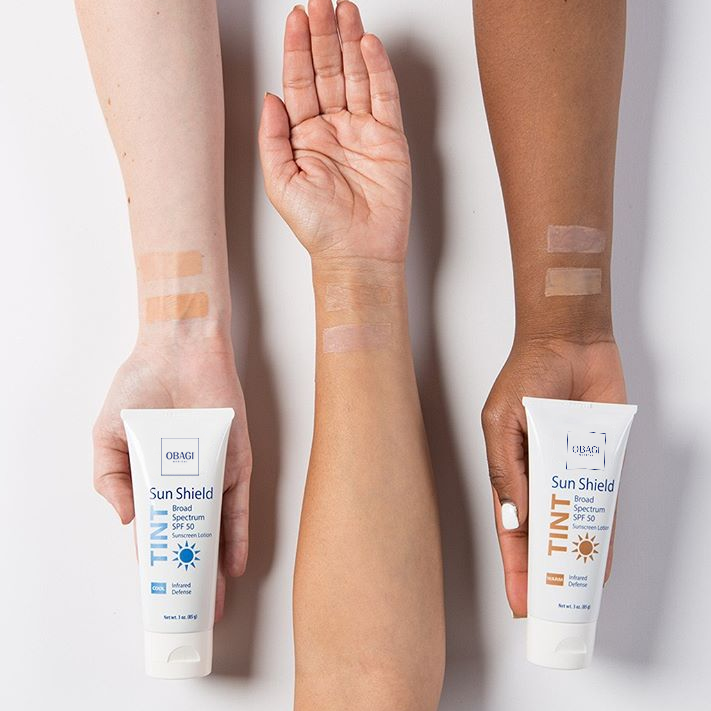
Obagi offers various tints in its Sun Shield
The Expert Checklist: What to Look For
When selecting a dedicated sunscreen for your face, look past commercial marketing and look directly at the clinical label:
Broad-Spectrum Protection: This ensures the formula protects against both UVA and UVB rays.
SPF 30 or Higher: A minimum of SPF 30 is vital to properly defend your skin against daily environmental stress.
Key Mineral Ingredients: Look for formulas containing Zinc Oxide. It provides immediate, highly stable, broad-spectrum defence while being incredibly soothing for sensitive or post-treatment skin.
Waterproof: especially if sweating and/ or in water.
Aesthetically pleasing and nice to apply/ wear: such as a tinted and low sheen product.
How and When to Apply
To maintain an effective shield, application technique is everything:
When: Every single day, 365 days a year, as the final step of your morning skincare.
Quantity: Apply generously across the face, neck, and ears. A standard rule of thumb for the face and neck is the "two-finger rule."
Reapplication: If you are outdoors or sitting by a window for extensive periods, sunscreen should be reapplied every two hours to account for natural degradation from light, sweat, and friction.
Protecting your skin from the structural damage caused by UV rays is the single most effective anti-aging strategy available. By committing to a dedicated, medical-grade daily sunscreen, you safeguard your skin’s health and dramatically enhance the longevity of your clinic treatments.
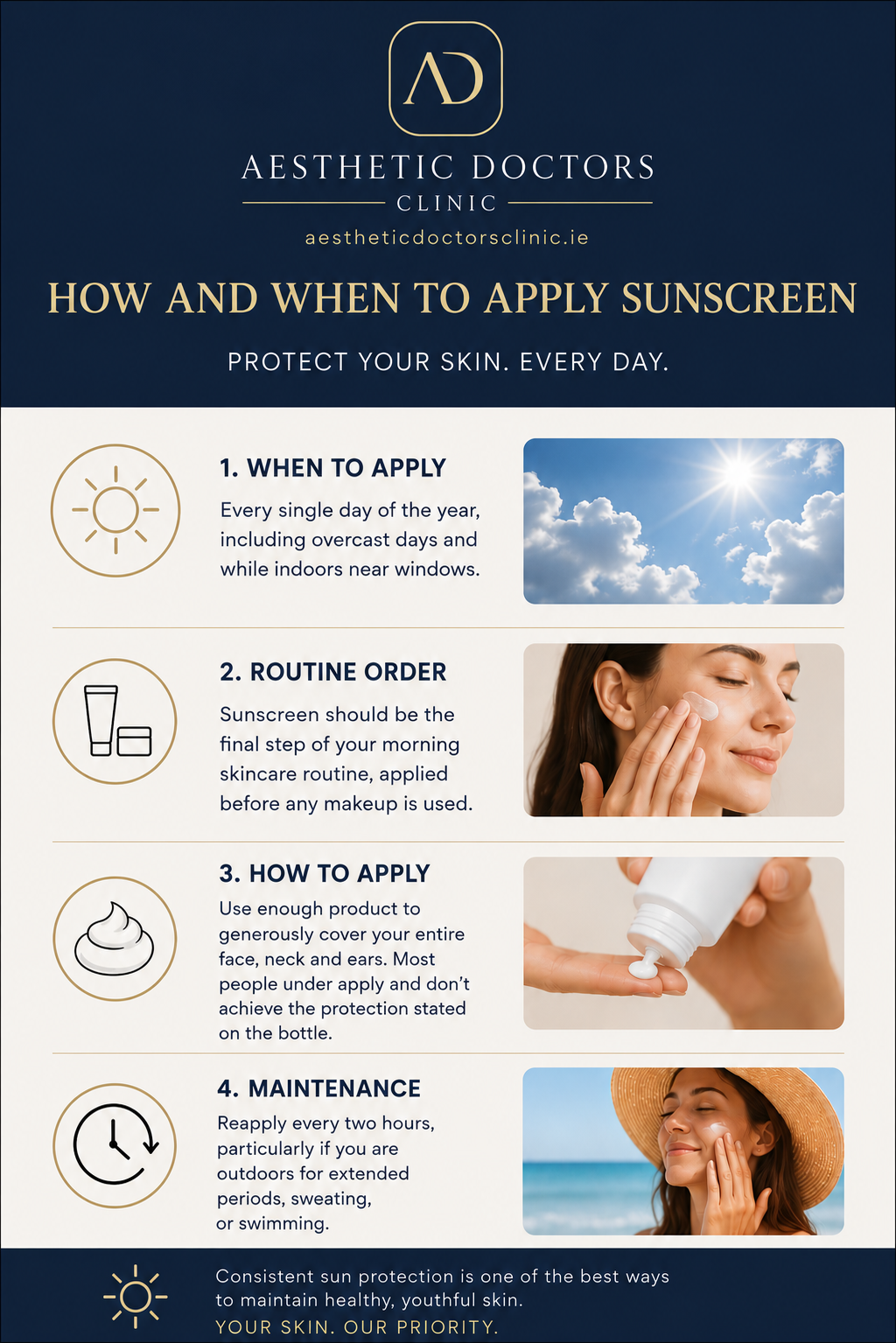
Information available from the Aesthetic Doctors Clinic