
Skin Hydration
Hydrated Skin for a Healthier, Brighter Complexion

Healthy skin starts with hydration
Hydration is one of the most important foundations of healthy skin. When the skin is well‑hydrated, it appears smoother, brighter and more resilient. When it becomes dehydrated, even the best skincare routine can struggle to perform.
This month we are exploring what skin hydration really means, why dehydration happens, and the lifestyle and treatment options that help restore moisture at both the surface and cellular level — including the role of key ingredients such as Vitamins A, C and Niacinamide.
What Does “Skin Hydration” Actually Mean?
Skin hydration occurs on two levels, each playing a different role in how the skin looks and feels:
1. Surface Hydration (Topical Level)
This refers to moisture held in the outermost layer of the skin (stratum corneum).
It affects:
Smoothness
Softness
Barrier function
Immediate glow
Topical hydrators such as hyaluronic acid, glycerin, ceramides and urea help attract and lock in moisture at this level.
2. Deep Hydration (Cellular Level)
This relates to water content within the dermis, where collagen, elastin and structural proteins live.
It affects:
Elasticity
Firmness
Fine lines
Long‑term skin health
Cellular hydration is influenced by internal factors, lifestyle and advanced treatments that stimulate or replenish moisture deeper in the skin.
Both levels are essential — surface hydration gives instant comfort, while deeper hydration supports long‑term skin quality.
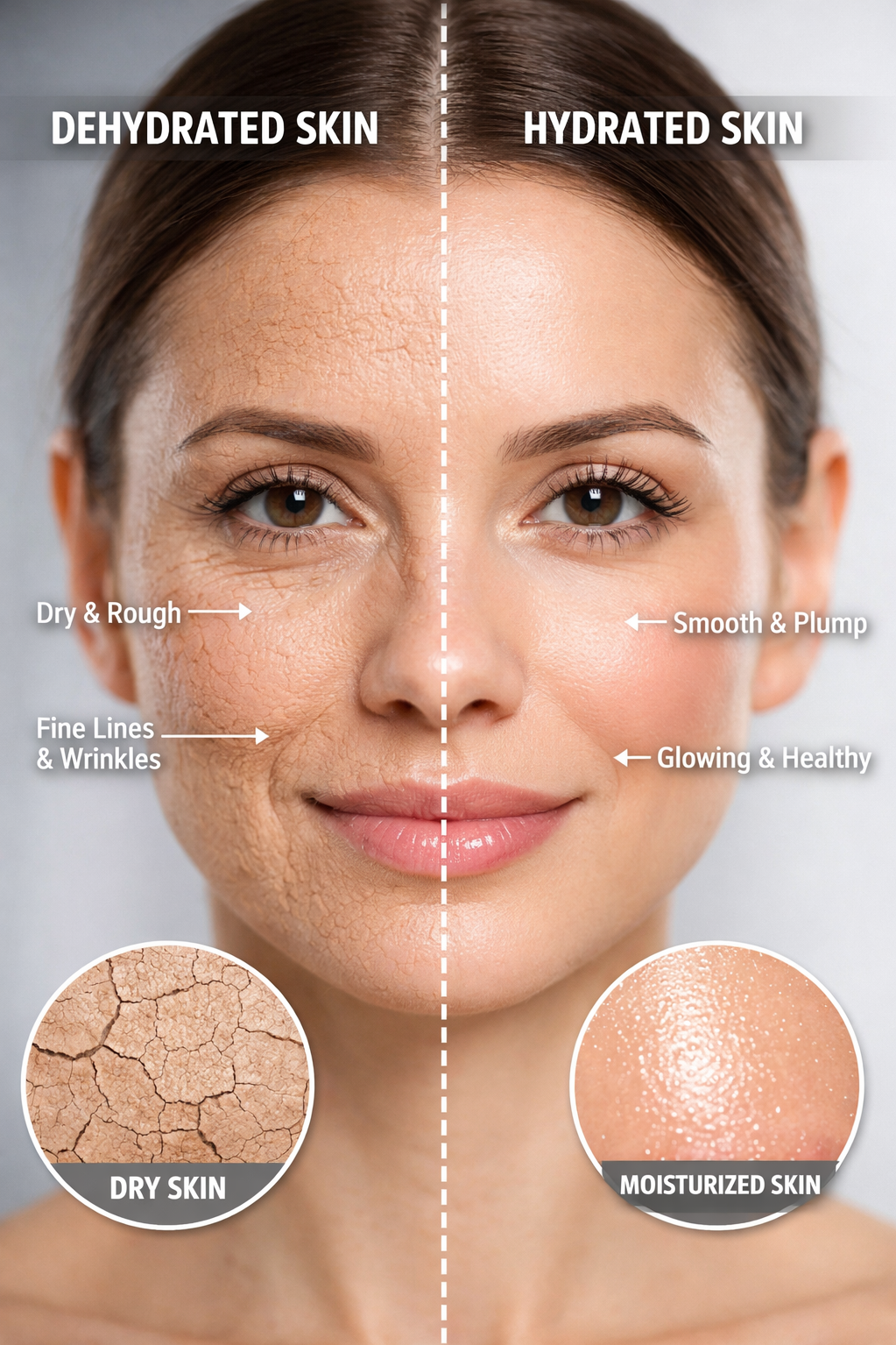
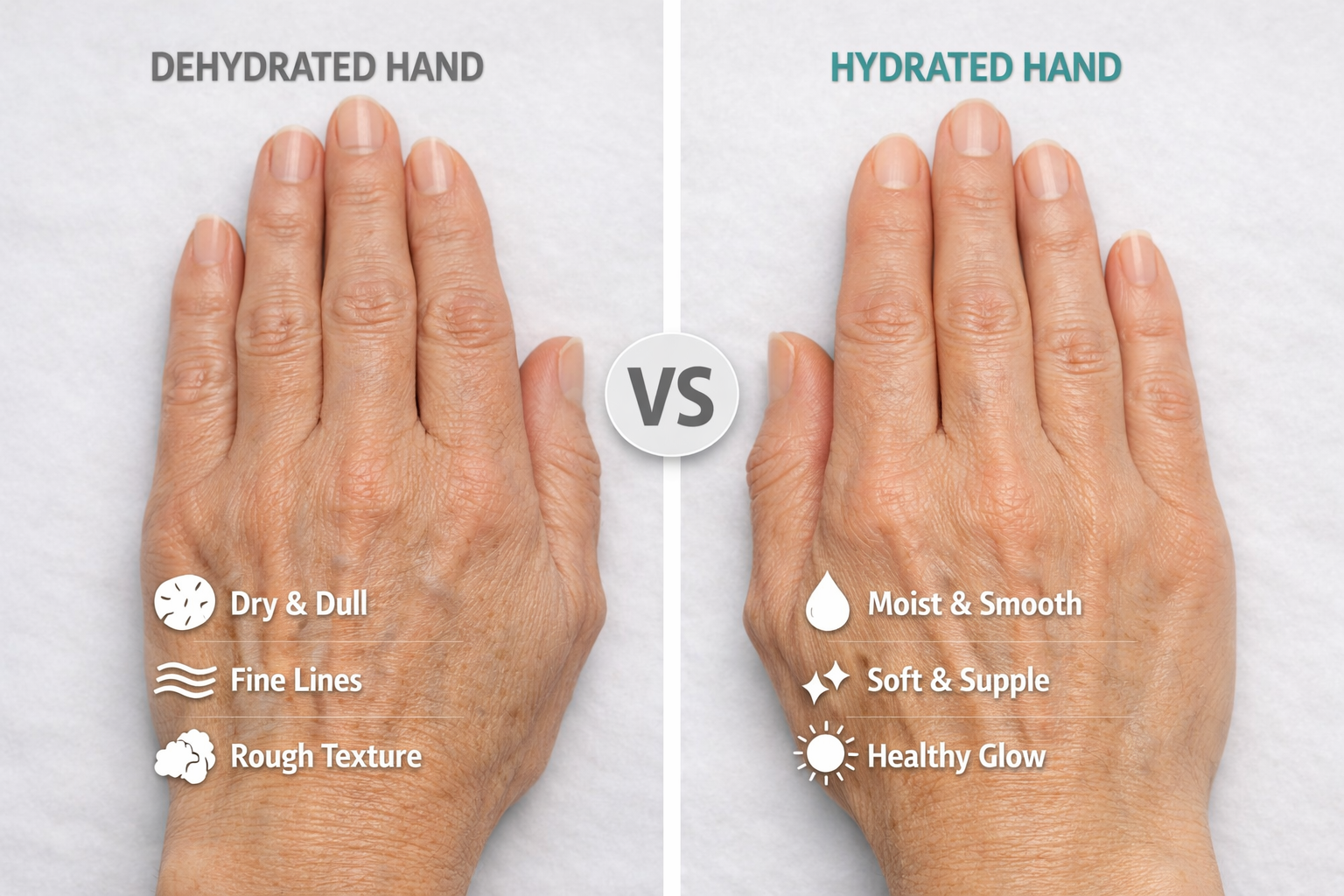
What Causes Skin Dehydration?
Skin can become dehydrated for many reasons,
including:
Ageing — natural decline in hyaluronic acid and lipid production
Sun exposure — UV damage weakens the skin barrier
Air conditioning & heating — reduces moisture in the air
Harsh skincare — over‑exfoliation or stripping cleansers
Lifestyle factors — low water intake, alcohol, smoking
Weather changes — wind, cold, and low humidity
Stress & poor sleep — impacts skin repair and barrier function
Dehydration is not the same as dry skin — even oily skin types can be dehydrated.
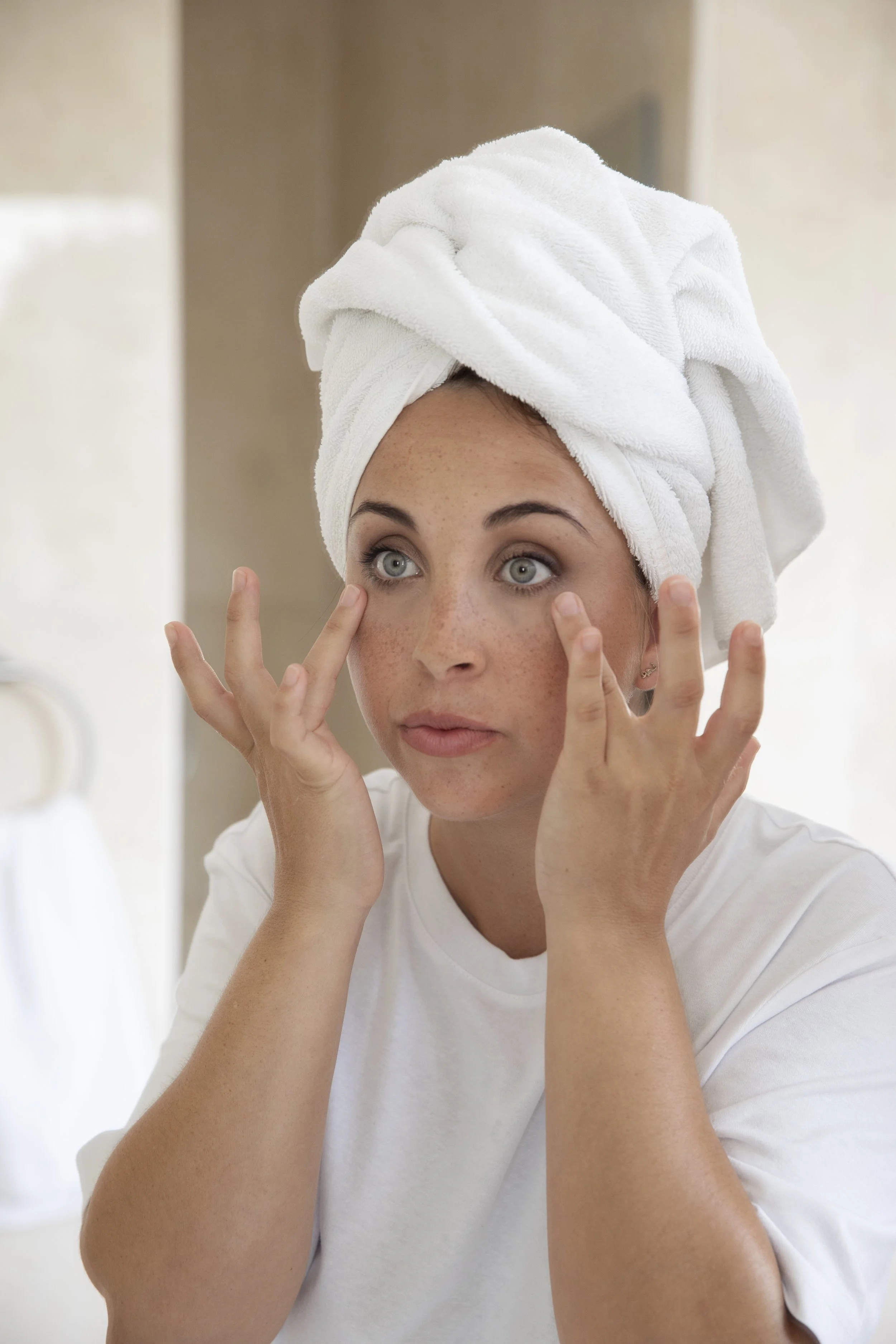
Healthy lifestyle, healthy glow- it all shows up in the mirror
Lifestyle Actions to Improve Skin Hydration
Small, consistent habits can significantly improve hydration levels:
1. Increase Water Intake
Aim for steady hydration throughout the day rather than large amounts at once.
2. Use a Humidifier Indoors
Especially helpful during winter or in air‑conditioned environments.
3. Avoid Over‑Exfoliating
Limit acids and scrubs to prevent barrier damage.
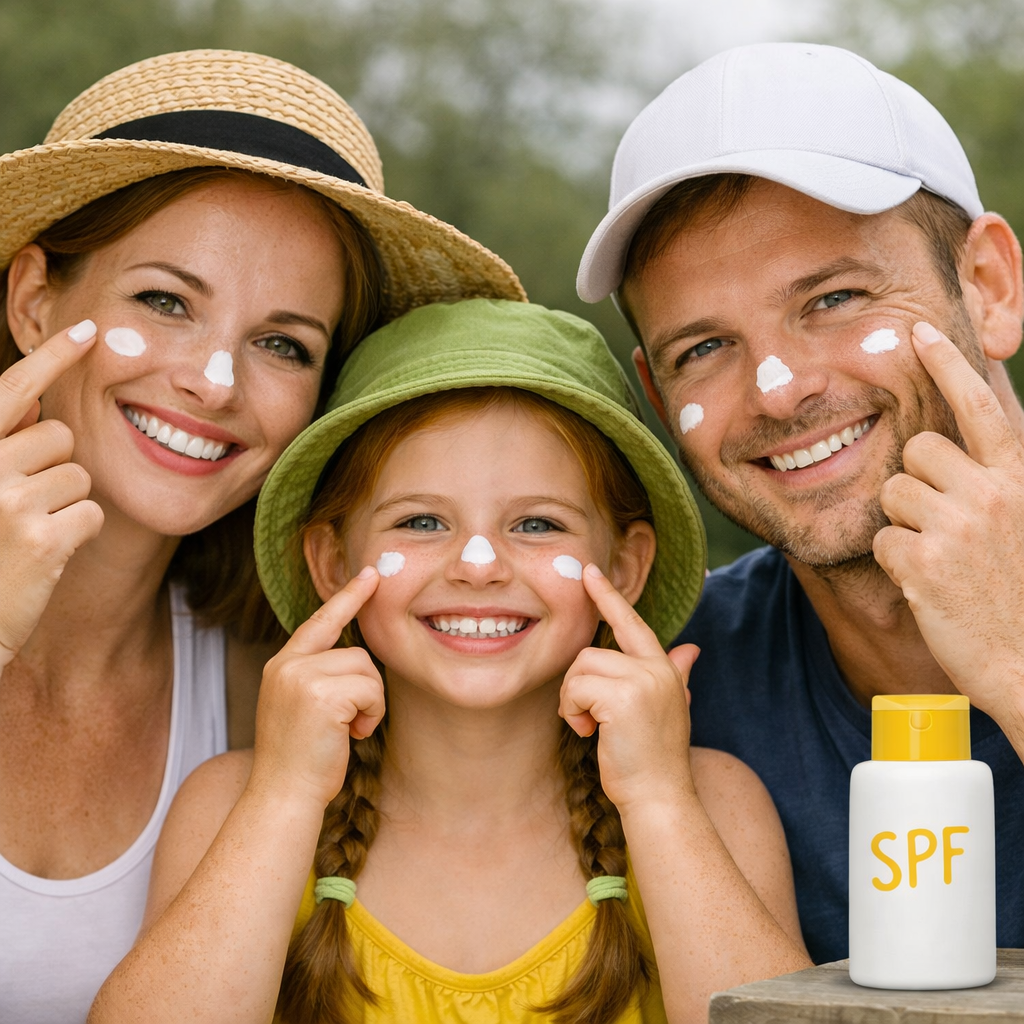
SPF is truly your skin’s best friend
4. Choose Gentle Cleansers
Avoid foaming or stripping formulas.
5. Prioritise Sleep & Stress Management
Both influence the skin’s ability to repair and retain moisture.
6. Protect Your Skin Daily with SPF
UV exposure is one of the biggest contributors to dehydration and premature ageing.
Topical Ingredients That Support Hydration
A well‑rounded hydration routine includes ingredients that hydrate, strengthen the barrier and support cellular repair.
Humectants (Attract Water): Including Hyaluronic Acid, Glycin and Urea
Barrier‑Strengthening Ingredients (Prevent Water Loss): Including Ceramides, Squalane and Fatty Acids
Niacinamide (Vitamin B3): One of the most effective ingredients for preventing dehydration. It helps by:
Strengthening the skin barrier by increasing ceramide production
Reducing transepidermal water loss
Improving elasticity and texture
Calming inflammation that can weaken the barrier
Niacinamide doesn’t hydrate directly; it creates the conditions that allow hydration to last longer.
Vitamin A (retinoids): increases cell turnover, stimulates the production of new healthy cells, thereby strengthening the skin’s structure and improving how the skin retains moisture. It also supports the production of natural lipids within the skin barrier. These lipids act like a seal, preventing moisture from escaping from the skin. Retinoids also support skin hydration as hydrated skin is more receptive to both topical and treatments.
Vitamin C: supports hydration indirectly by improving overall skin health. It helps by:
Boosting collagen production, improving firmness and reducing dehydration lines
Protecting the barrier from oxidative stress
Enhancing the effectiveness of other hydrating ingredients
Improving texture and radiance
Professional Treatments for Skin Hydration
When lifestyle and topical skincare are not enough, professional treatments can target hydration at a deeper level. It is important that the skin barrier is supported and not over treated. A healthy skin barrier gives rise to “glowing” skin.
1. Skin Boosting Treatments - Injectable hydrating agents (non‑volumising) that improve elasticity, smoothness and dermal hydration. These include Definisse™ Hydrobooster and Celora™ Vita.
2. Microneedling (SkinPen™ )- Stimulates collagen and enhances absorption of hydrating serums.
3. Chemical Peels- Improve texture and allow hydrating products to penetrate more effectively. These include the Obagi Blue Peel Radiance and Definisse™ Rinnova Peel.
4. Light‑based Therapies- Support cellular repair and improve skin function.
5. Medical‑grade Skincare- Formulated with higher concentrations of active ingredients such as Niacinamide, vitamin A, vitamin C and ceramides. These treatments work at the cellular level, helping the skin retain moisture more effectively and improving overall skin quality. The full range of Obagi Medical skincare range which includes the Hydrate Collection and the Daily Hydro Drops Collection is available at the Aesthetic Doctors Clinic. The full range of Medik8 medical grade skincare products and skin treatments are also available from our clinic.
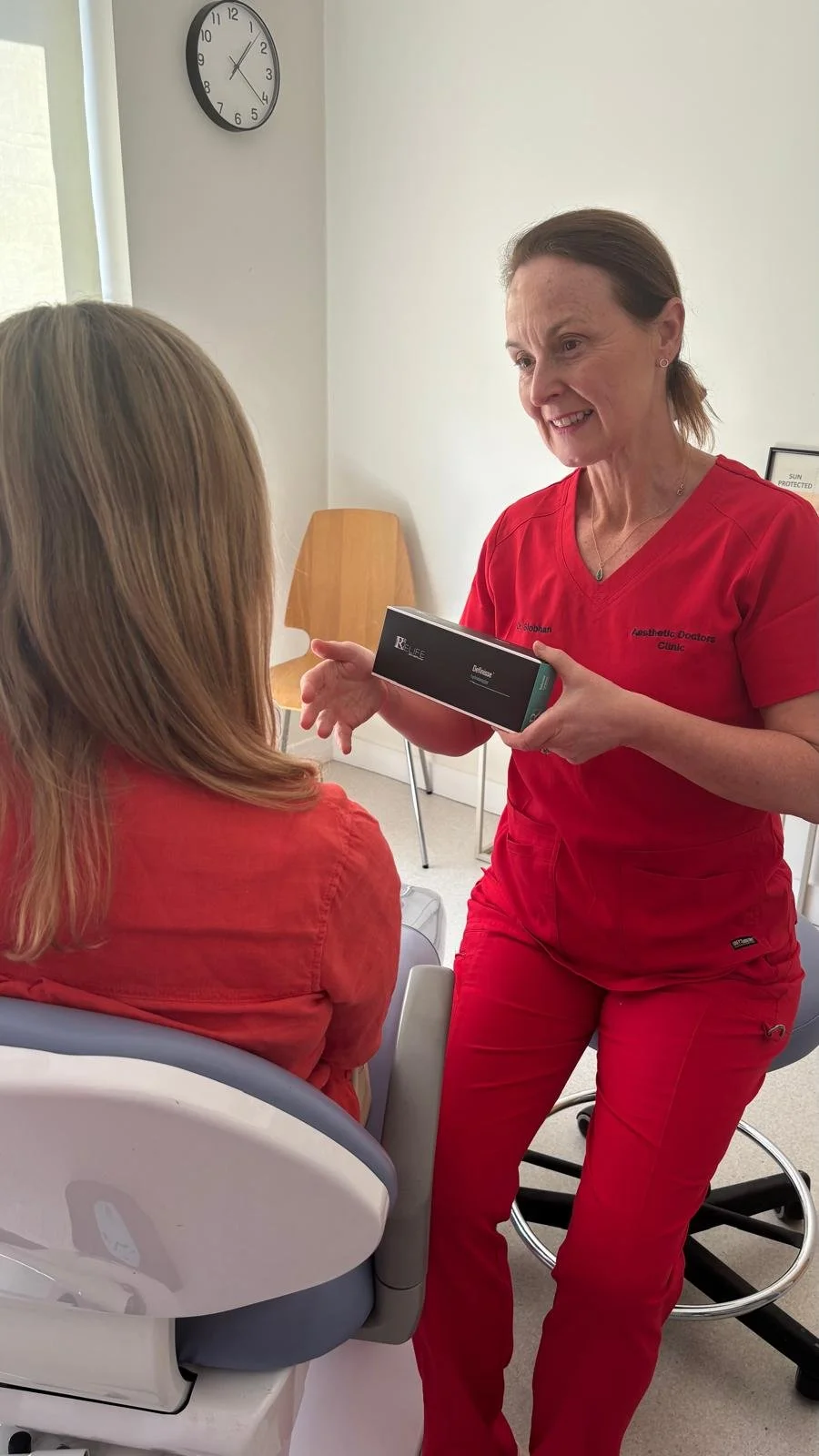
Discussing the options for skin hydration at the Aesthetic Doctors Clinic